


Choosing between an iPhone and an Android device is more than a matter of hardware; it’s a reflection of your personal style, tech preferences, and brand loyalty.
In this comprehensive comparison, we delve deep into the nuances of iPhone vs Android, helping you decide which is the best fit for your digital lifestyle.
The Apple of the Tech World: iPhone’s Unique Appeal
iPhone’s Ecosystem and Integration
Apple’s greatest strength lies in its ecosystem. The seamless integration between iPhone, iPad, Mac, and Apple Watch creates a unified experience. For those invested in this ecosystem, the iPhone acts as a central hub, making it an ideal choice.
See Also: Exploring the Depths of Web 2.0: A Comprehensive Guide
User Experience and Interface
iPhones are renowned for their intuitive interface. Apple’s control over both hardware and software results in a fluid and consistent user experience across all devices. This simplicity appeals to tech novices and enthusiasts alike.
Security and Privacy
Apple’s stance on privacy and security is a major selling point. With regular updates and a closed ecosystem, iPhones are less susceptible to malware compared to Android devices.
The Android Advantage: Customization and Variety
Diverse Hardware Choices
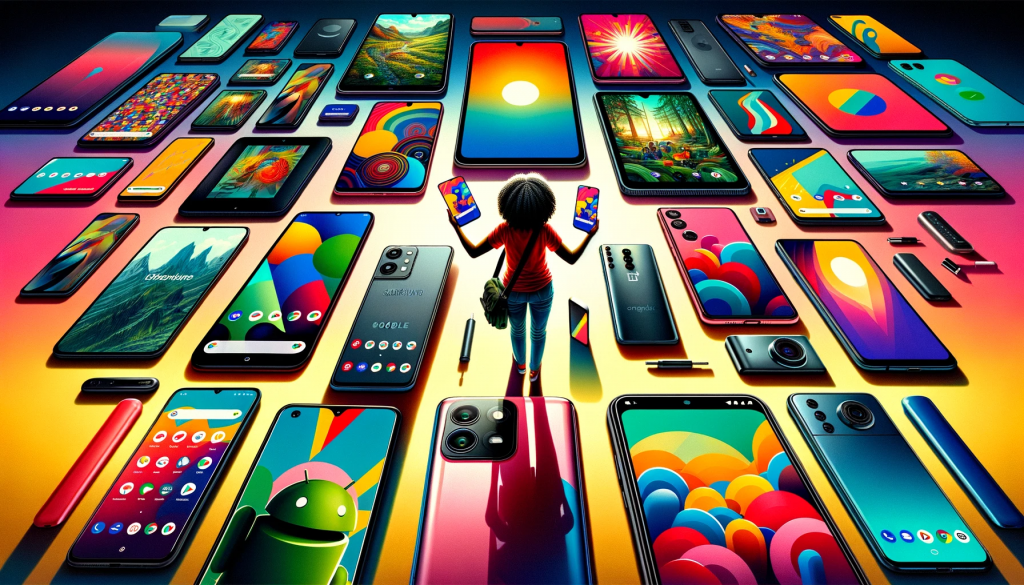
Android’s diverse ecosystem boasts a variety of manufacturers like Samsung, Google, and OnePlus. This variety allows users to select a device that aligns perfectly with their preferences in terms of size, design, and features.
Customization at Its Core
Android stands out with its high level of customization. Users can tweak almost every aspect of their device, from the interface to the default apps. This freedom is a haven for users who love to personalize their tech.
Price Range and Affordability
Android devices cater to a wide range of budgets. From high-end flagships to affordable models, Android offers quality options for every price point.
The Face-Off: Performance, Camera, and Battery Life
Performance
Both iPhone and Android devices offer stellar performance, but the latest iPhone models generally have an edge in raw processing power, thanks to Apple’s custom-designed chips.
Camera Quality
Camera quality varies widely among Android devices, whereas iPhones consistently deliver high-quality photos. High-end Android phones, however, often match or even surpass iPhones in camera performance.
Battery Life and Charging
Android phones generally offer better battery life and more charging options, including universal USB-C ports and faster charging speeds, compared to the proprietary Lightning port of iPhones.
Ecosystem and Software Updates
Longevity of Software Updates
iPhones receive iOS updates for many years, ensuring longevity. Android updates, however, depend on the manufacturer and model, with some devices receiving limited support.
Here’s a comparison table highlighting key aspects of iPhone vs Android:
| Feature | iPhone | Android |
|---|---|---|
| Operating System | iOS | Android OS |
| Customization | Limited; mainly through apps and settings | Highly customizable: launchers, widgets, open source apps |
| Device Variety | Limited models, controlled by Apple | Wide range of devices from various manufacturers |
| Price Range | Generally high-end and premium-priced | Wide range, from budget to premium models |
| App Quality | Generally higher quality and uniformity in app design | Varied quality, more open to different developers |
| Ecosystem | Tightly integrated with Apple products (Mac, iPad, Watch) | Compatible with a wide range of devices and brands |
| User Interface | Consistent and user-friendly interface | Diverse interfaces depending on manufacturer |
| Security | Strong security, less prone to malware | Good security, but more open to risks |
| Software Updates | Long-term and consistent across all devices | Depends on manufacturer; often less consistent |
| Hardware Quality | High-quality hardware, limited customization | Varies by manufacturer; more hardware options |
| Camera Quality | Consistently high-quality across models | Varies widely; some models rival or exceed iPhone |
| Battery Life | Competitive, but varies by model | Generally longer; varies by model and usage |
| Charging Standard | Lightning port | Mostly USB-C, some older models with micro-USB |
| Headphone Jack | Absent in newer models | Available in many models, absent in some newer ones |
| Storage Expansion | No expandable storage; fixed internal storage | Many models offer expandable storage via microSD |
This table gives a broad overview of the differences and similarities between iPhones and Android devices. Keep in mind that specifics can vary greatly among Android devices due to the wide range of manufacturers and models.
Final Verdict: Aligning with Your Preferences
Choosing between iPhone and Android boils down to personal preference. If you value a seamless ecosystem, intuitive user experience, and prioritize privacy, iPhone is your go-to. For those who prefer customization, variety, and affordability, Android is the ideal choice.
Both platforms have evolved to offer exceptional quality and performance, making the decision more about aligning with your personal needs and lifestyle. Whether you’re an Apple enthusiast or an Android aficionado, the choice is yours to make in this ever-advancing digital age.


