




AI Materials Discovery: Real Results and Physical Limits

What GNoME, MatterGen and A-Lab have demonstrated, why superheavy elements remain experimental, and where industrial and planetary defense claims exceed evidence.
EyesTech editorial profile covering cross-disciplinary systems analysis. Articles distinguish source reporting, analysis and documented tests. EyesTech uses AI assistance; this coverage profile is not a verified professional résumé. Corrections: https://eyestech.in/contact/
What GNoME, MatterGen and A-Lab have demonstrated, why superheavy elements remain experimental, and where industrial and planetary defense claims exceed evidence.

Paradigma reports 94.01% on AIME 2026 for its 1B math model. Off-scope failures and specific prompt and runtime requirements define its practical use.
Cloudflare Clef scores typed choices from text and images. The 27B model costs $0.24 per million input tokens; hosted image limits and latency need a close look.
DeepGEMM Ascend brings familiar APIs to Huawei Ascend 950. TileLang adds a native backend; 99.8% utilization describes a kernel, not whole-model speed.
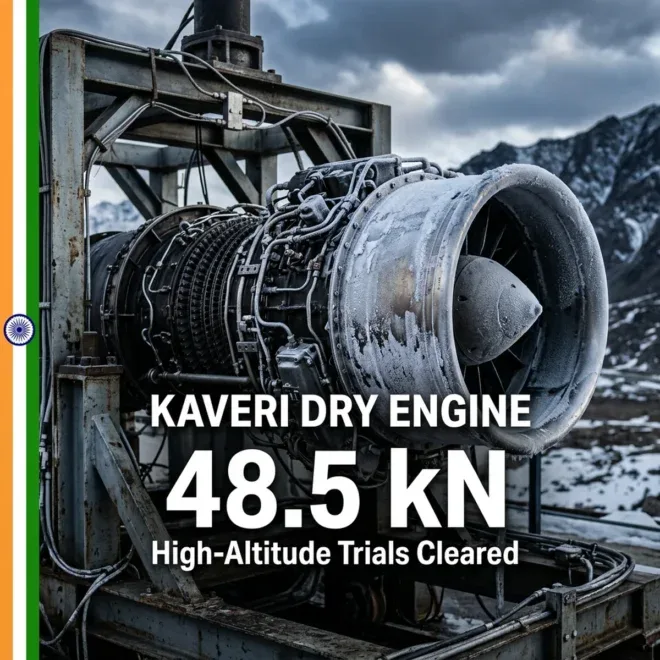
DRDO’s Kaveri Derivative Engine achieved 48.5 kN dry thrust at CIAM and Gromov, surpassing the 46 kN target. CEMILAC review next before Ghatak UCAV integration.
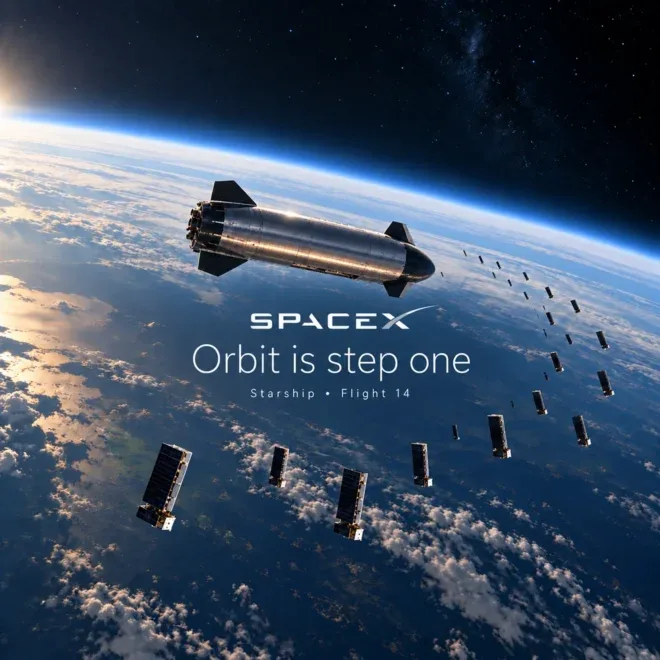
SpaceX reports 26 Starlink V3 satellites delivered on Flight 14. Orbit raising and commissioning separate the launch from a usable network upgrade.
Indian developers and engineering students responded to OpenAI’s ominous DevDay teaser with viral humor, meme threads, and existential placement panic.

OrcaSAQ-2 shrinks a 27B coding model to about 12GB. We examine its fidelity results, agent benchmarks, and the practical limits of running it on a 16GB GPU.

Google Vids has the Workspace reach to make AI video mainstream. Our 40-second test shows the model gaps Google still needs to close.
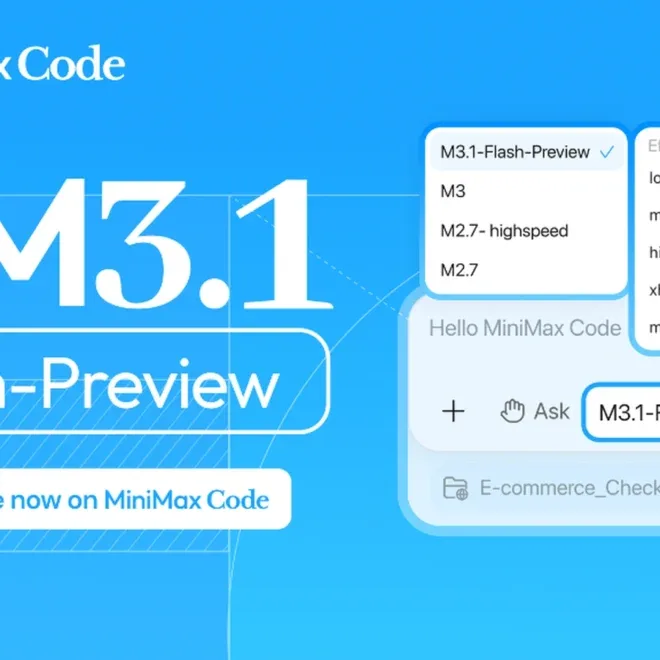
MiniMax lists M3.1 Flash Preview in M Plan. Access, effort labels and credit rules do not prove model architecture or a guaranteed coding speedup.