


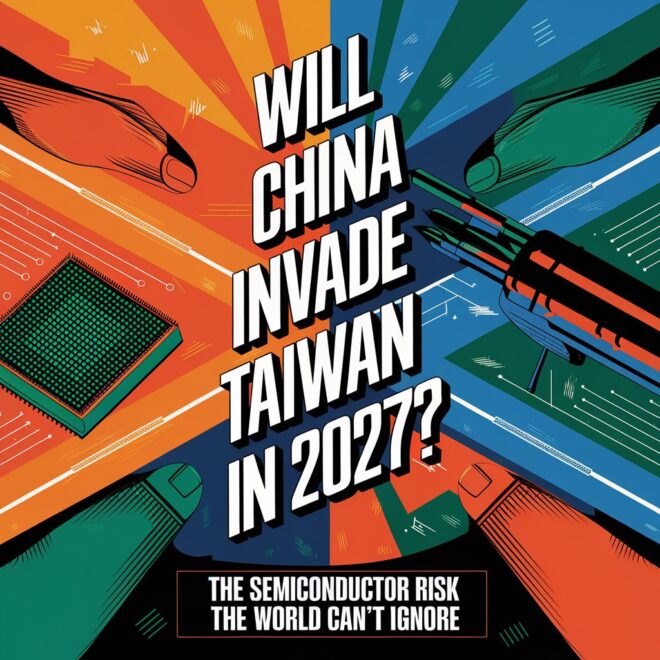
Will China Invade Taiwan in 2027? The Semiconductor Risk the World Can’t Ignore

The question keeps returning in geopolitical debates, market briefings, and defense circles: will China invade Taiwan in 2027? It is…
The question keeps returning in geopolitical debates, market briefings, and defense circles: will China invade Taiwan in 2027? It is…

On April 14, 2026, Amaravati became the site of a breakthrough India has been waiting years to see: an indigenous,…

NVIDIA Ising is the first open-source AI model family built for quantum computing, targeting calibration and error correction. Here’s what…

Google has expanded its AI-powered education tools by introducing free NEET mock test support inside Gemini, giving medical aspirants in…
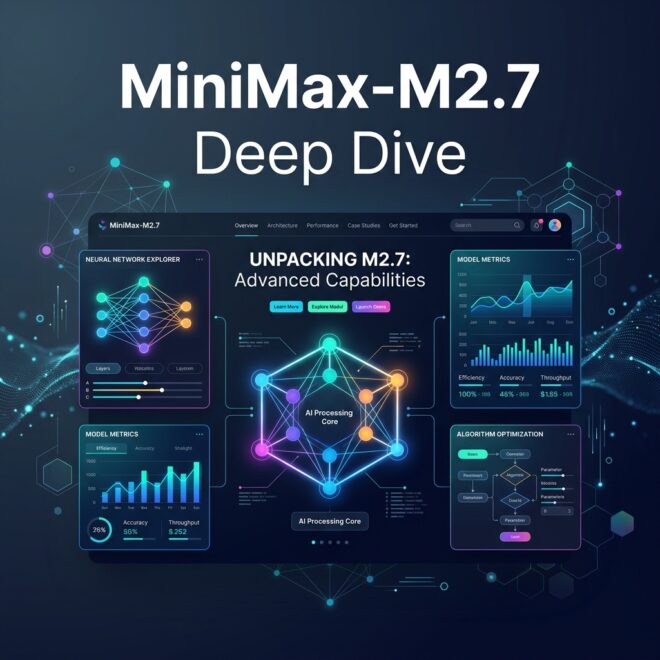
Imagine a world where you can deploy a model with the reasoning depth of Claude 4.5 Opus, the agentic agility…
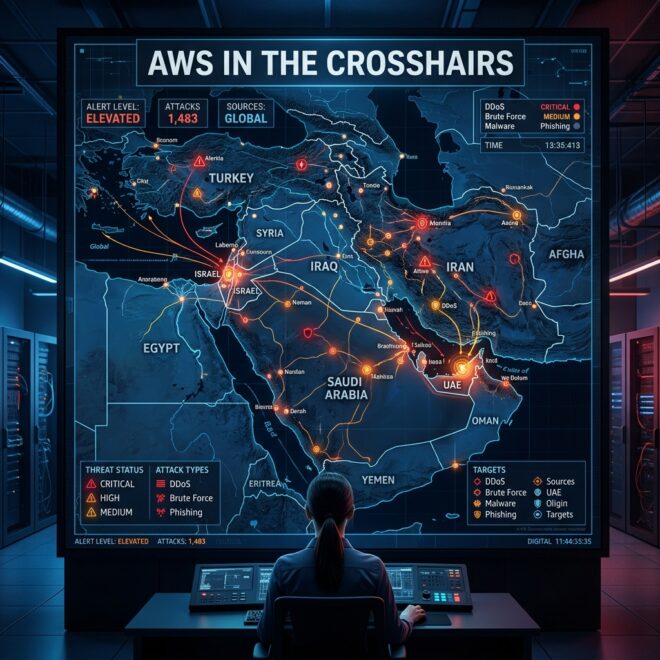
Hyperscale data centers are no longer just digital havens—they are military targets. Following the unprecedented April 2026 Iranian drone strikes…
Anthropic has officially announced Claude Mythos, their most capable frontier AI. But you can’t use it. Here is why the…

If you have been reading the headlines over the last few months, you might be convinced that the global AI…