



🛡️ Editor’s Note
This marks our first official entry in the India Defence Tech series. We are pivoting to focus heavily on indigenous achievements, driven by our deep love for Bharat 🇮🇳. Expect more coverage on how India is securing its future.
TL;DR
In a historic first, the Indian Army has legally inducted the solar-powered Medium Altitude Persistent Surveillance System (MAPSS) from NewSpace Research & Technologies (NRT). Capable of multi-day endurance capabilities, these “pseudo-satellites” eliminate fuel constraints and offer a silent, persistent stare over sensitive border areas, aligning with the new Mission Sudarshan Chakra.
Table of Contents
The “Infinite Loop” Capability

Jan 22, 2026 – The days of “fuel anxiety” for border surveillance are officially numbered. The MAPSS is designed to fly for days, not hours. By harvesting solar energy during the day and running on high-density battery reserves at night, it effectively acts as a “pseudo-satellite,” straddling the gap between conventional UAVs (like the Heron) and orbital assets.
Why this matters:
* Persistent Stare: Unlike a quadcopter that needs a battery swap every 40 minutes, or a MALE UAV that needs a runway and fuel, MAPSS can loiter over a specific sector (think sensitive passes in Ladakh or Tawang) for 48-72+ hours continuously.
* Silence is Golden: Electric propulsion means near-zero acoustic signature. It’s a ghost in the sky.
* Cost-Per-Bit: Running on sunshine is infinitely cheaper than burning aviation fuel.
Tech Specs (The Juicy Bits)
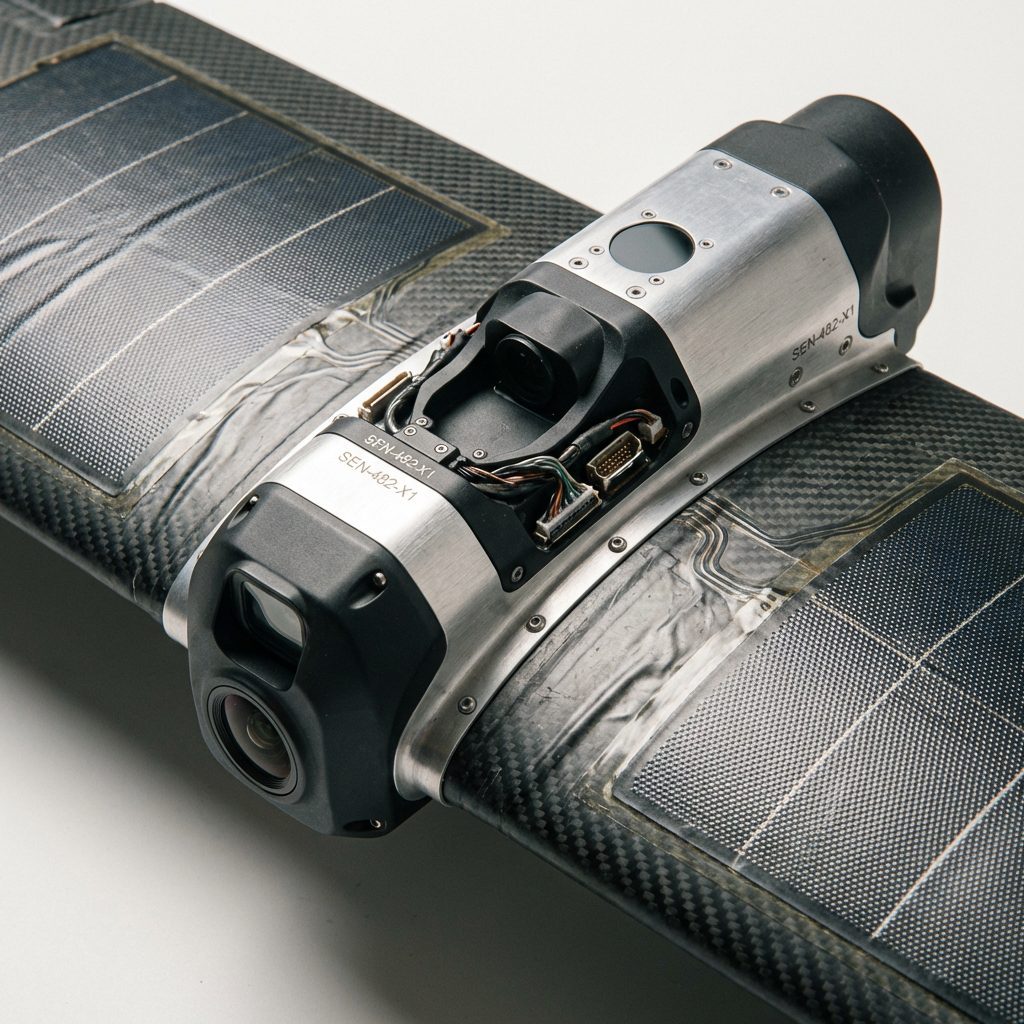
While the Army keeps the exact classified specs close to the chest, industry insiders and NRT’s public demos give us a clear picture of the beast:
* Wingspan: ~5+ Meters (High aspect ratio for glider-like efficiency).
* Power: High-efficiency flexible Gallium Arsenide (GaAs) solar arrays.
* Payload: AI-Edge Compute Module + EO/IR (Electro-Optical/Infra-Red) sensors.
* Comms: Satcom link for Beyond Line of Sight (BLOS) control.
The “Sudarshan Chakra” Connection
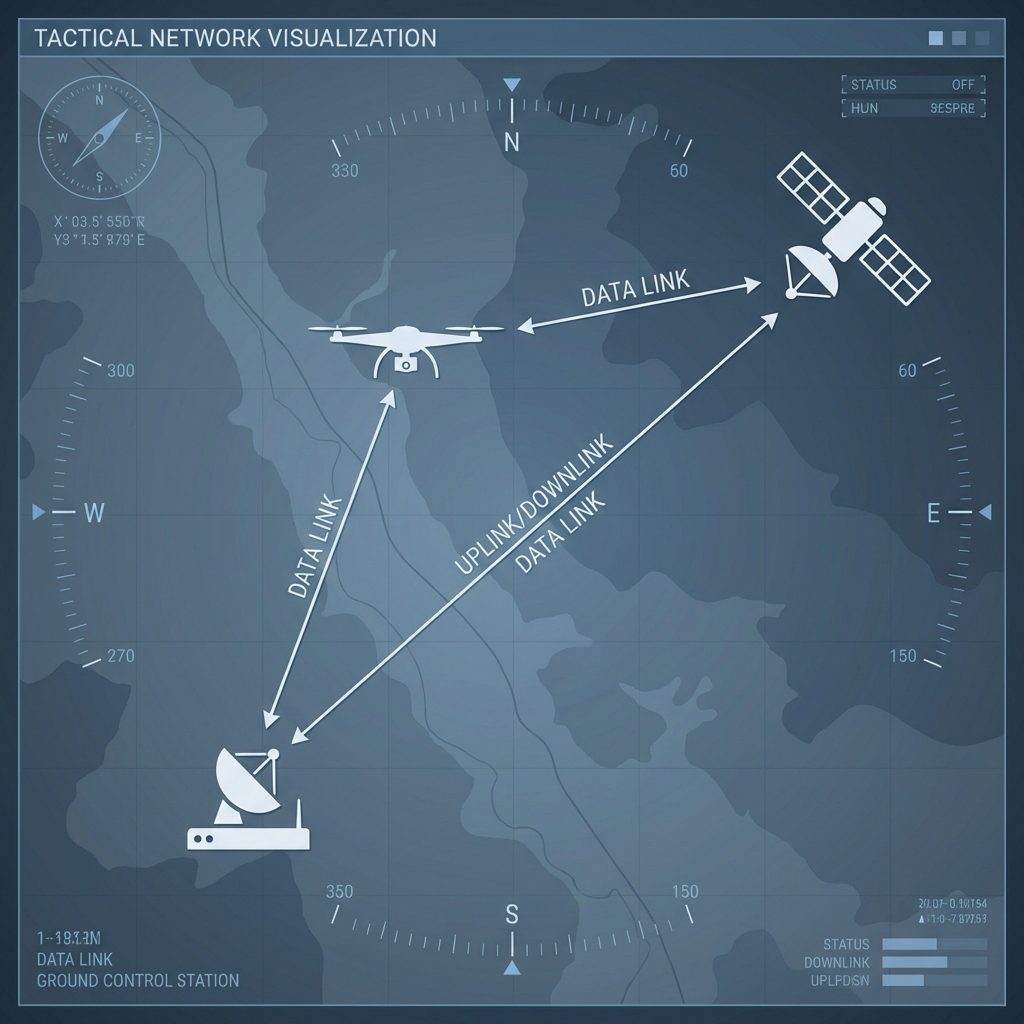
This induction aligns perfectly with the newly announced Mission Sudarshan Chakra. The MAPSS nodes will likely serve as the “eyes” of the tri-services air defence shield, feeding real-time video and ELINT (Electronic Intelligence) data into the integrated battle networks.
NRT’s Winning Streak:
NewSpace Research is on a tear. After delivering the world’s first operational high-density swarm drone system to the Army in 2023, they have now cracked the code on stratospheric/high-altitude endurance. This cements their status effectively as the “Lockheed Martin Skunk Works” of India’s private defence sector.
What’s Next?

With “winter capability” being a key requirement, seeing these solar birds operate in the sub-zero, thin air of the Himalayas will be the ultimate litmus test. But for now, the Indian Army has just bought itself a capability that very few nations possess.
The sun never sets on the Indian Army’s surveillance.
Har Har Mahadev 🔱, Jai Maa saraswati🌺