


The evolution of the Internet from its inception to the present day has been a journey of remarkable innovation and growth. We have witnessed the transformation from Web 1.0, a platform of information dissemination, to Web 2.0, a dynamic and interactive experience.
See Also: Top 8 Video Calling Apps for iPhone
Now, we stand on the brink of another significant leap: Web 3.0. This new iteration of the web promises a decentralized, secure, and more intelligent internet, paving the way for unprecedented advancements in technology and society.
The Evolution of the Web: From 1.0 to 3.0
Web 1.0: The Syntactic Web (1991-2004)
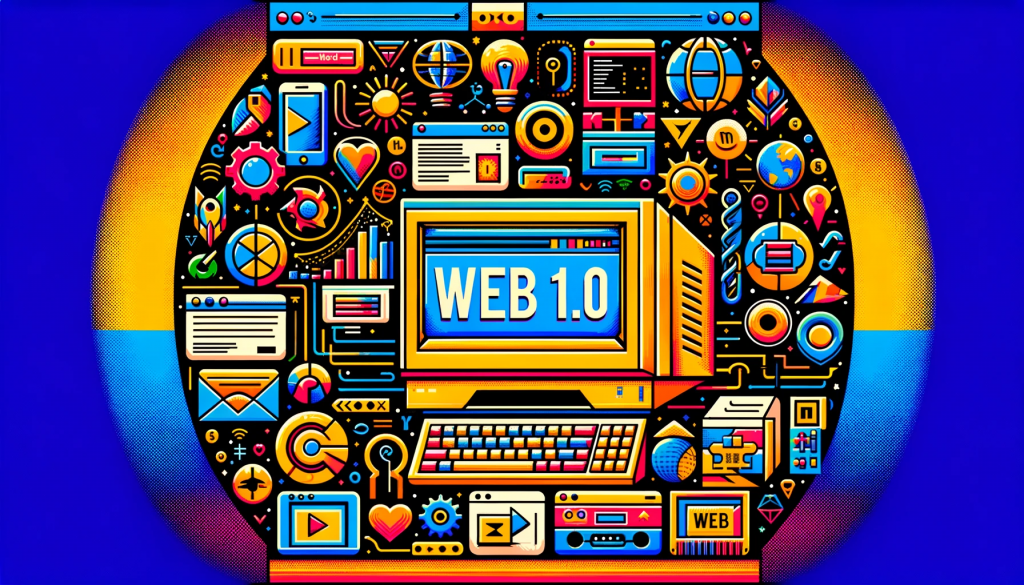
Web 1.0 marked the birth of the World Wide Web. Invented by Tim Berners-Lee in 1989, it was a collection of static HTML pages, often used for information sharing. This era was characterized by:
- Static Content: Websites were repositories of information with limited user interaction.
- Limited User Contribution: The majority of users were content consumers, with few content creators.
- Technological Foundations: The use of basic HTML, without dynamic or interactive capabilities.
Web 2.0: The Social Web (2004-Present)
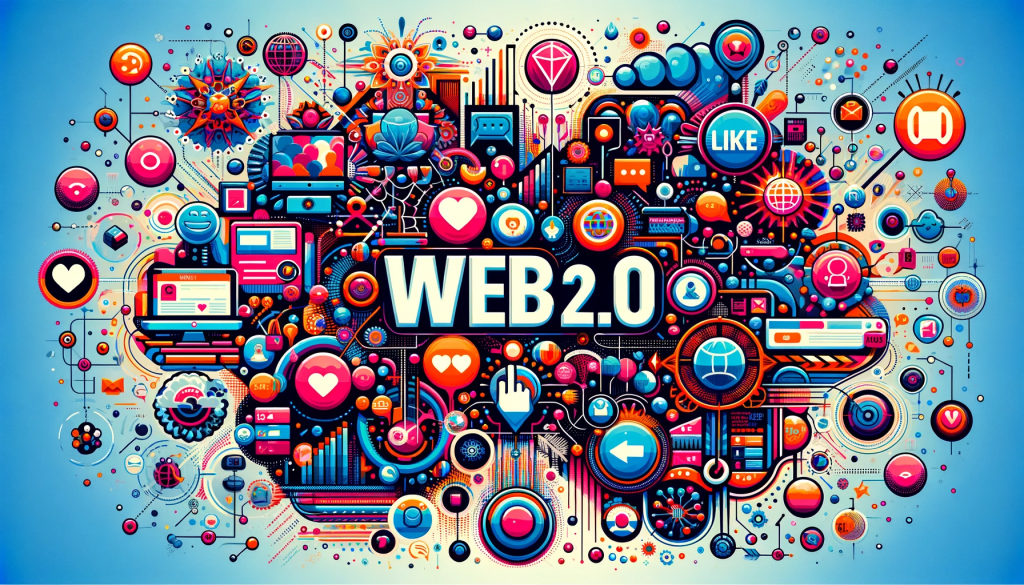
Web 2.0 introduced a paradigm shift towards a more interactive and social web experience. Key features include:
- Interactive Platforms: Websites evolved to be dynamic, allowing user interaction and content generation.
- Social Media Explosion: Platforms like Facebook, Twitter, and Instagram redefined how we connect and share information.
- Technological Advancements: Adoption of AJAX, HTML5, and CSS3, facilitating richer user experiences.
Web 3.0: The Decentralized Web
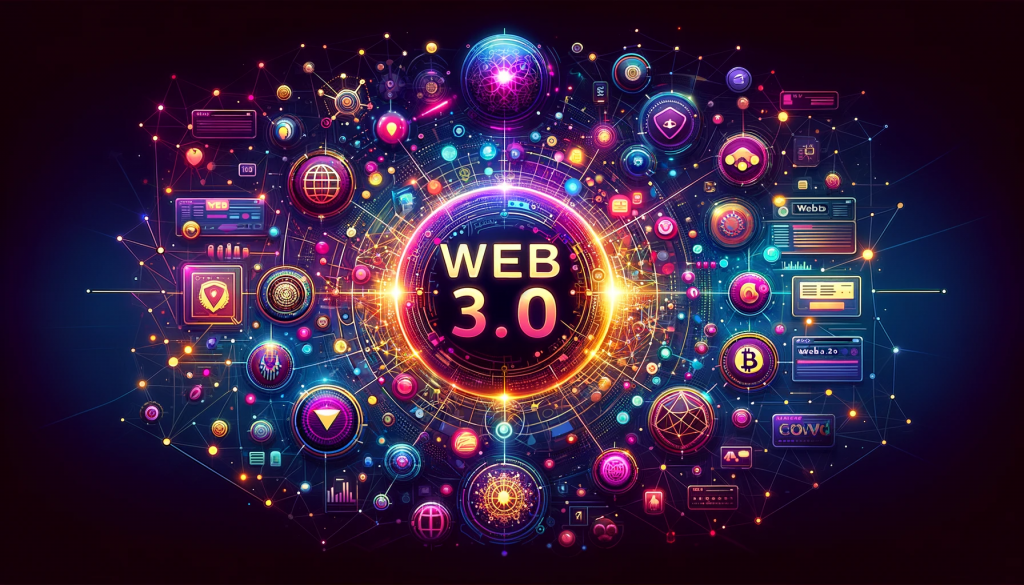
Web 3.0 represents the next phase in the web’s evolution, focusing on decentralization, enhanced security, and intelligent functionalities. Its key characteristics are:
- Decentralization: Utilizing blockchain technology to distribute data across a network, reducing reliance on centralized authorities.
- Enhanced Security and Privacy: With decentralized structures, users have greater control over their data.
- Artificial Intelligence and Machine Learning: These technologies enable more personalized and intuitive user experiences.
- Interoperability: Seamless operation across various platforms and devices.
- Virtual and Augmented Reality: Integration of VR and AR into web experiences, creating more immersive environments.
The Significance of Web 3.0
Web 3.0 is not just an incremental improvement but a fundamental reimagining of how the web operates. It addresses the limitations of Web 2.0, particularly in terms of data privacy, security, and centralization.
- Empowering Users: In Web 3.0, users regain control over their data, a shift from the data monopolies of the Web 2.0 era.
- Enhanced Security: Decentralization minimizes the risks of data breaches and cyber-attacks.
- Censorship Resistance: The distributed nature of Web 3.0 makes it difficult to censor or manipulate information.
- Innovative Business Models: The introduction of blockchain and cryptocurrencies opens up new avenues for commerce and digital interactions.
Web 3.0 in Practice: Emerging Applications
Several applications already exhibit Web 3.0 principles, signaling the potential of this new web era:
- Decentralized Autonomous Organizations (DAOs): Organizations run via smart contracts, ensuring transparency and community governance.
- Non-Fungible Tokens (NFTs): Unique digital assets verified and secured on a blockchain, revolutionizing digital ownership and creativity.
- Decentralized Finance (DeFi): Financial services on blockchain, bypassing traditional banking and financial institutions.
- Decentralized Storage Solutions: Services like Filecoin and IPFS, offering secure and distributed data storage options.
The Challenges Ahead
While Web 3.0 heralds a new era of internet use, several challenges remain:
- Scalability: Ensuring blockchain networks can handle large-scale use.
- Regulatory Hurdles: Navigating the complexities of global regulations regarding cryptocurrencies and decentralized technologies.
- Technological Adoption: Bridging the gap between current infrastructures and the new decentralized frameworks.
Conclusion
Web 3.0 is poised to redefine our digital landscape, offering a more secure, intelligent, and user-centric internet. As we embrace this new era, we must navigate its challenges with innovation and foresight, ensuring that the web continues to be a space of growth, opportunity, and empowerment for all.


