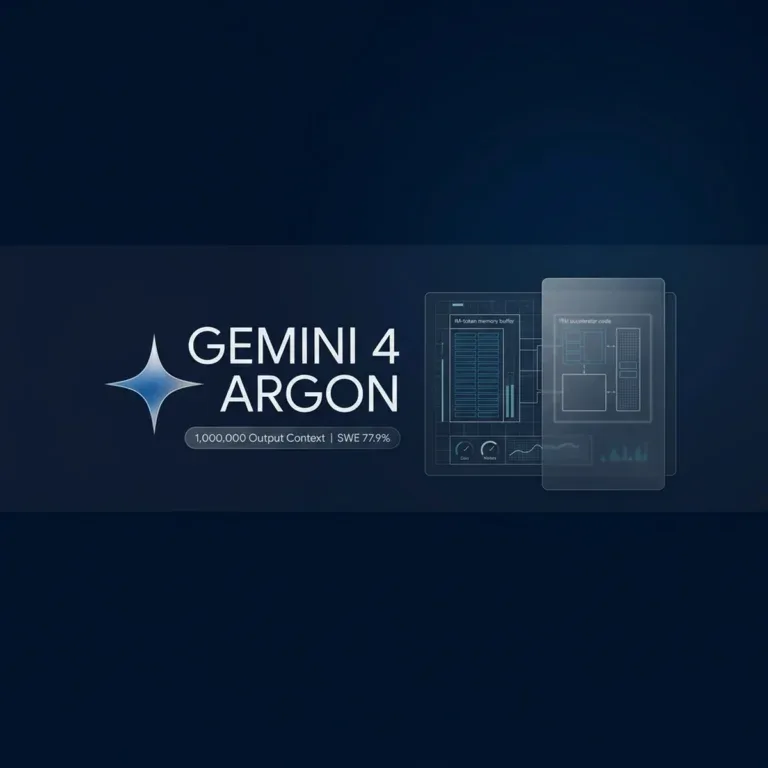

Google launched Gemini 4 Argon with 1M output tokens, a 77.9% DeepSWE score, and $2/M input pricing. Here is our architectural and benchmark teardown.
Hands-on analysis, benchmarks, and workflows for AI coding agents, IDEs, harnesses, and multi-agent development.
Google launched Gemini 4 Argon with 1M output tokens, a 77.9% DeepSWE score, and $2/M input pricing. Here is our architectural and benchmark teardown.
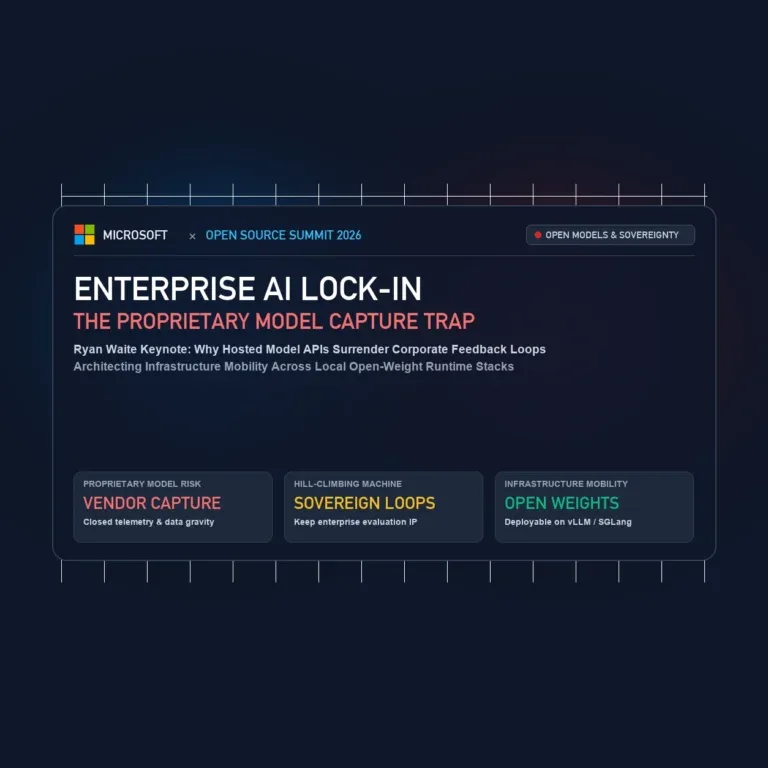
At Open Source Summit Europe 2026, Microsoft Director Ryan Waite warned enterprises against proprietary model capture: do not surrender your organizational learning loops to closed APIs. Here is how to architect infrastructure mobility across open-weight models.
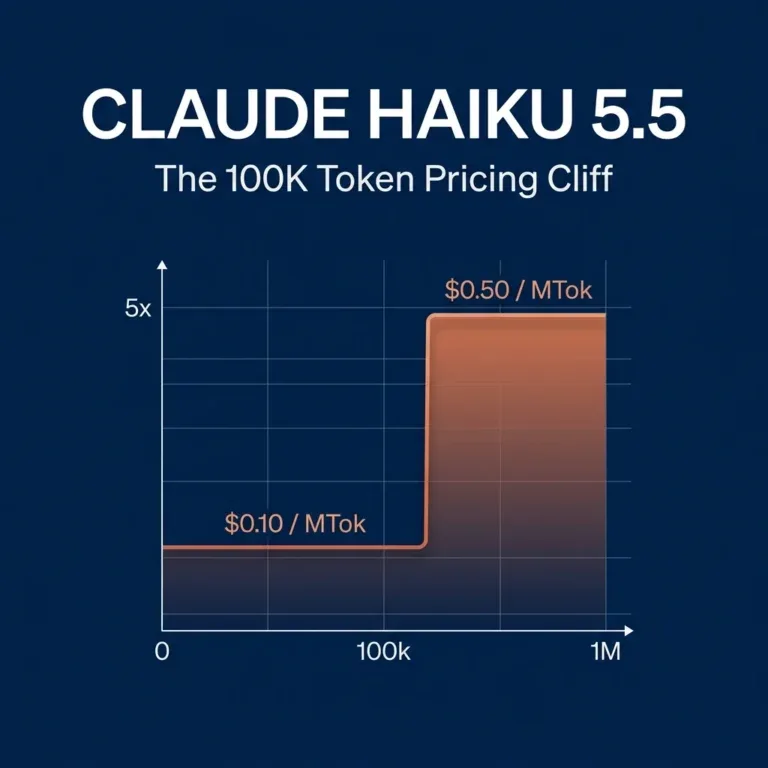
Anthropic’s Claude Haiku 5.5 pairs a 1M context with a 5x cost surge at 100k tokens. Here is the worked math on subagent loops, cache reads, and compaction.
In autonomous agentic coding, the most expensive mistake is assigning frontier reasoning models to operational plumbing. On…
Can AI get sick? A systems audit of neural weight decay, somatic harness compromise, and prompt worms—and why frozen LLMs cannot catch prompt viruses.
Google is testing an unreleased Gemini 4 checkpoint codenamed Carbon on its internal Jetski platform. Leaks report coding capability rivaling Claude Opus 5.5.
Microsoft reports 61.5% on SWE-bench Verified for FrogNano 4B. A five-tool agent interface accounts for a large gain, with cost and licensing caveats.
Livenerf is collecting an Opus 5.5 baseline, with six days logged as of September 29. Its protocol cannot yet establish a post-release regression.

Minutes after Sam Altman revealed OpenAI’s new autonomous agent platform “Dots,” typing Dot.com began redirecting visitors straight to SpaceX AI’s Grok Bot download hub at x.ai/bot.
OpenAI reopens its $200 Pro plan with a 50% cut in API spend value, removes the 5-hour limit, and splits throughput between Sol and flagship Astra.