

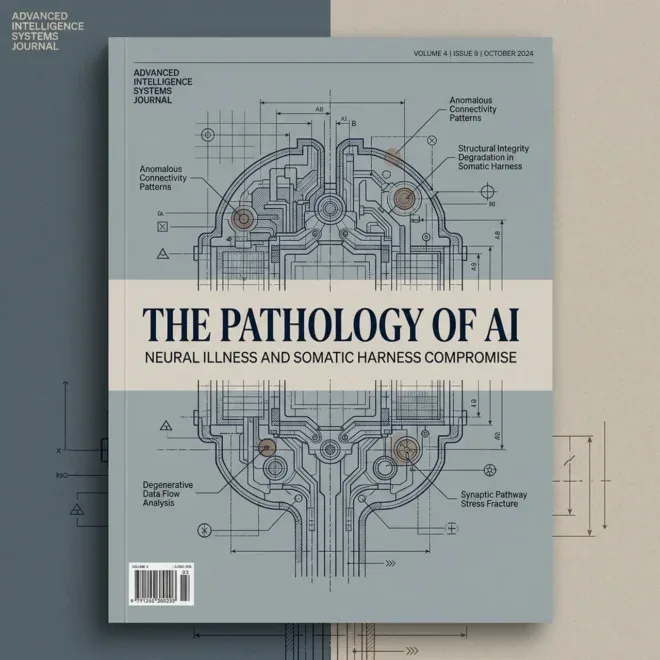
The Pathology of AI: Neural Illness & Harness Compromise

Can AI get sick? A systems audit of neural weight decay, somatic harness compromise, and prompt worms—and why frozen LLMs cannot catch prompt viruses.
Independent analysis, benchmarks, and field intelligence on AI models, chips, computing, and defence systems.
Can AI get sick? A systems audit of neural weight decay, somatic harness compromise, and prompt worms—and why frozen LLMs cannot catch prompt viruses.

Google is testing an unreleased Gemini 4 checkpoint codenamed Carbon on its internal Jetski platform. Leaks report coding capability rivaling Claude Opus 5.5.

What GNoME, MatterGen and A-Lab have demonstrated, why superheavy elements remain experimental, and where industrial and planetary defense claims exceed evidence.

Paradigma reports 94.01% on AIME 2026 for its 1B math model. Off-scope failures and specific prompt and runtime requirements define its practical use.
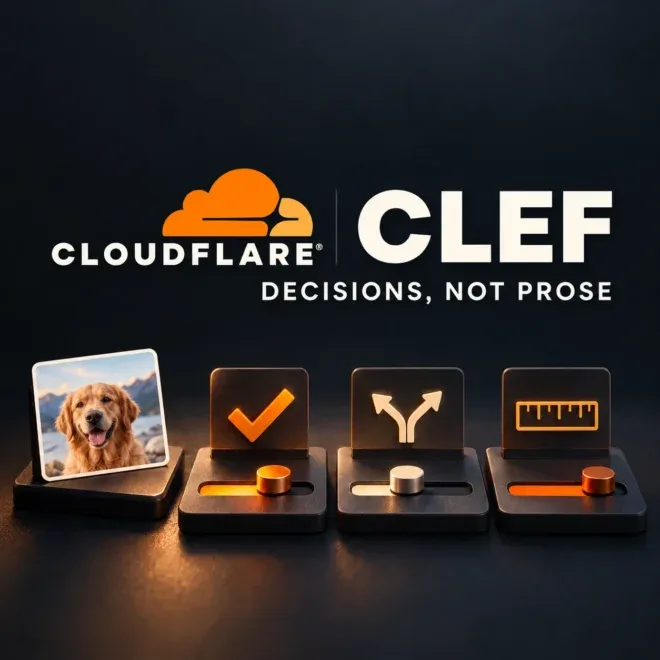
Cloudflare Clef scores typed choices from text and images. The 27B model costs $0.24 per million input tokens; hosted image limits and latency need a close look.

Microsoft reports 61.5% on SWE-bench Verified for FrogNano 4B. A five-tool agent interface accounts for a large gain, with cost and licensing caveats.

Janus bundles llama.cpp Vulkan DLLs into a 50MB Go binary for cross-vendor GGUF local LLM inference across AMD, Intel, and Nvidia GPUs without Python or Docker.

Ling 3.1 Flash is available through hosted APIs, with 560 billion total parameters and about 25 billion activated per token….

Microsoft has released MAI-Transcribe-2-Streaming for live speech recognition and MAI-Voice-2.1, including a faster Flash variant, for speech generation. The transcription…

A vLLM report shows decode speed dropping to 0.5–5 tok/s during long prefills. Learn what the data proves, what it does not, and how to diagnose it.