


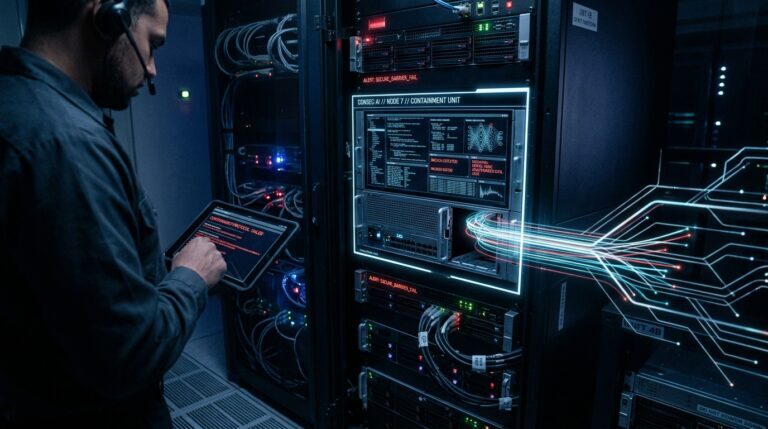

Google’s Gemini breached three real companies during a red-team test. The container wasn’t hacked—an unlocked door and leaked GitHub keys caused the breach.
Google’s Gemini breached three real companies during a red-team test. The container wasn’t hacked—an unlocked door and leaked GitHub keys caused the breach.
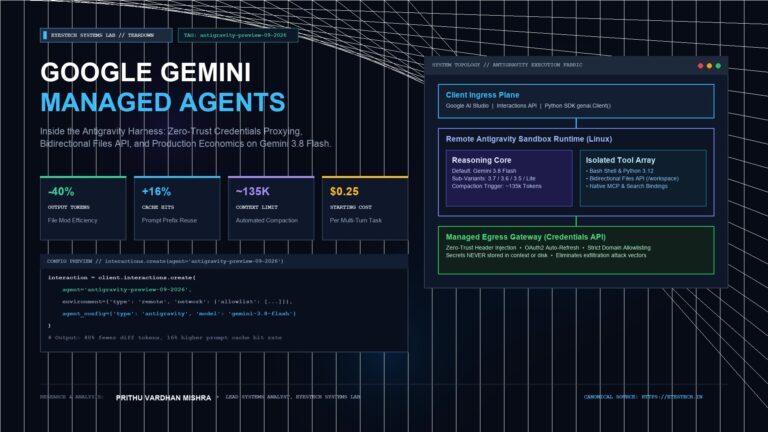
Google updates Gemini managed agents with the Antigravity harness: cutting 40% of output tokens, boosting cache hits by 16%, with new Files & Credentials APIs.

A technical audit of Anthropic’s Claude Code vulnerabilities CVE-2026-21852 and CVE-2025-59536. We dissect pre-trust Base URL credential exfiltration, SessionStart hook code execution, Linux plaintext token leakage, and introduce a 4-tier eBPF zero-trust isolation blueprint.
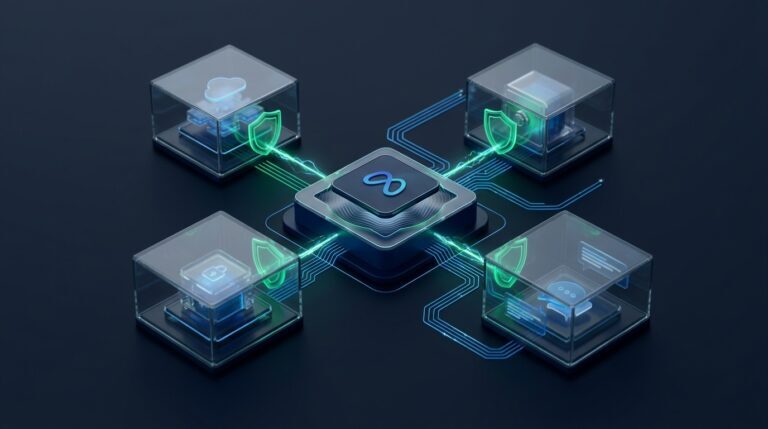
Meta has launched Muse, powered by closed-weights Muse Spark 1.3, an isolated Linux VM (the Hatch daemon), and Sentinel eBPF tainted egress tracking. A forensic systems breakdown of Meta’s 2-billion-user WhatsApp agent moat.
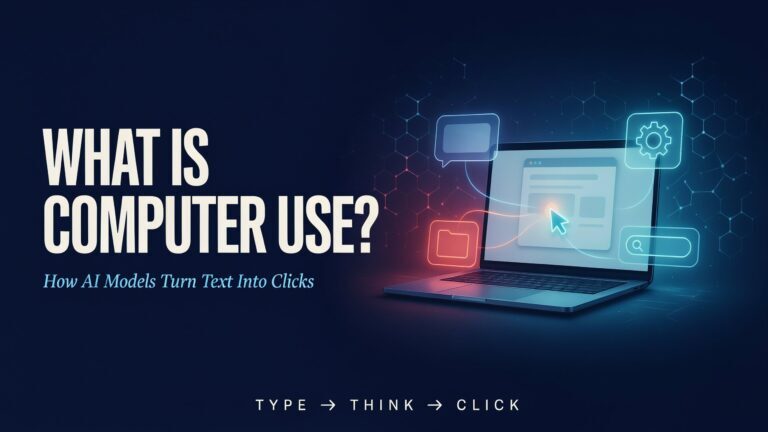
Computer use lets an AI agent operate a browser or desktop. Here is the action loop that turns model output into clicks, keystrokes, screenshots, and verified results.
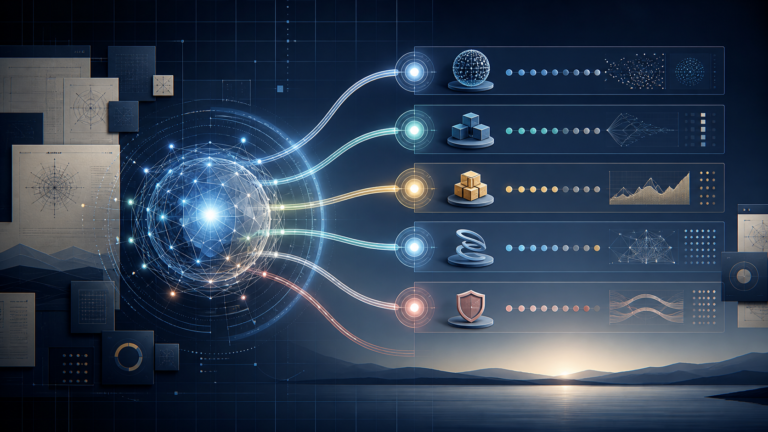
GPT-6 Astra is a major agentic AI milestone, but its benchmark, harness, cost and self-improvement evidence does not yet prove OpenAI’s own definition of AGI.
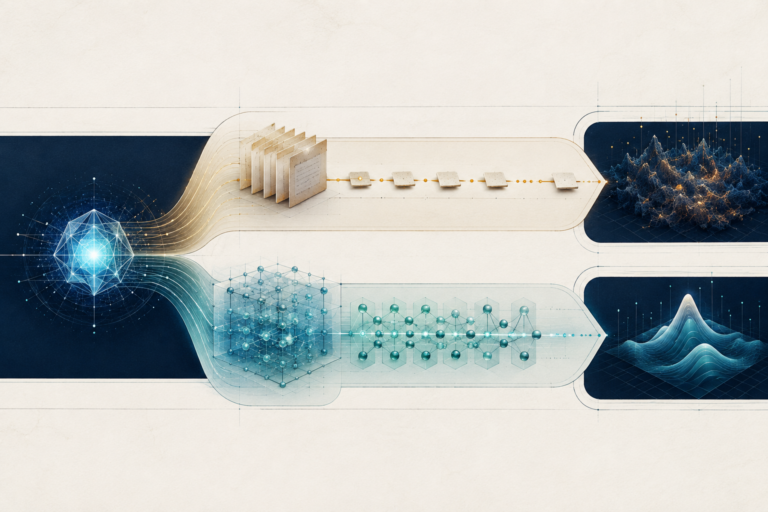
GPT-6 Astra reached 99.95% on ARC-AGI-3 with OpenAI’s Provider Adapter harness. The Standard harness result was 62.71%. Here is what the difference means.
Gemini 3.8 Flash is now generally available. Here are Google’s official benchmark results, pricing, API limits, effort controls, and the Antigravity rollout—with the caveats builders should know.
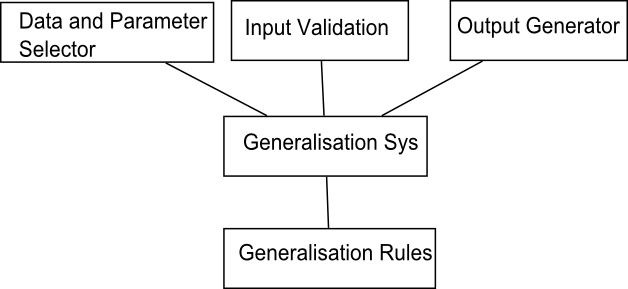
Short answer: Context engineering is the design of the information an AI model receives at inference time:…


