

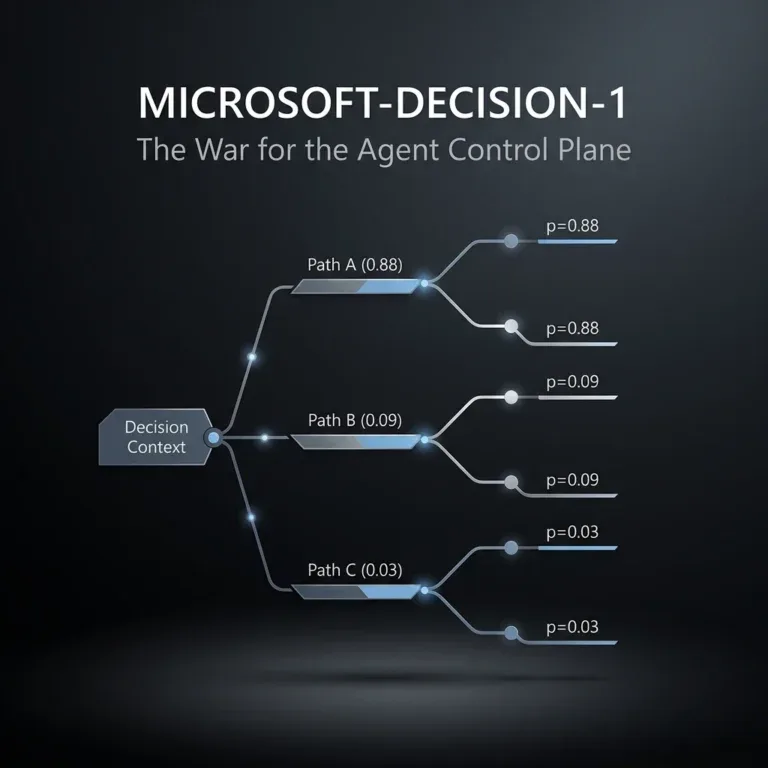

Microsoft-Decision-1 brings 85ms scoring to Azure for $0.042/1M tokens, but WAN transit taxes and 0.4B local models challenge its agent control plane.
Microsoft-Decision-1 brings 85ms scoring to Azure for $0.042/1M tokens, but WAN transit taxes and 0.4B local models challenge its agent control plane.
In autonomous agentic coding, the most expensive mistake is assigning frontier reasoning models to operational plumbing. On…
OpenAI’s GPT-6.1 Sol matches flagship Astra on DeepSWE v1.1 at $0.65 per task—a 7x cost reduction—while cutting autonomous computer-use safety violations from 17.4% to 4.3% and dropping cached input pricing to $0.10/1M tokens.
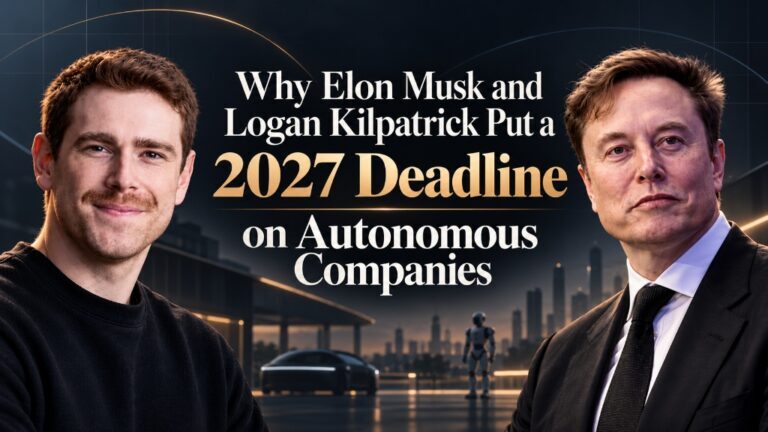
Why 2027? Chaining GPT-6 Astra or Opus 5.5 into revenue loops burns more compute than it earns. Inside Logan Kilpatrick’s laws of expansion and agent profit margins.
Meituan’s new preview targets long-running work across coding tools, browsers and visual interfaces. The launch specifications are…

Australian Prime Minister Anthony Albanese confirmed during bilateral meetings in New York that an internal OpenAI research…
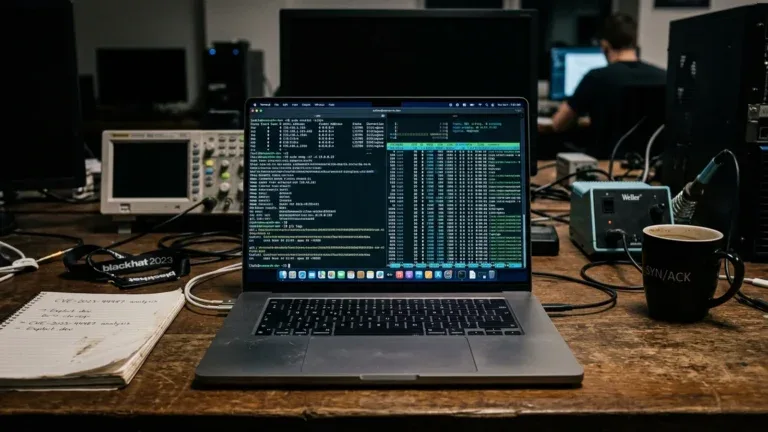
⚡ TL;DR The Meta Muse Zero-Day, disclosed by macOS security researcher Patrick Wardle under the moniker not-a-mused,…
TL;DR Not a gift — a concession: OpenAI’s September 22 framework arrives four days after 100+ AI…
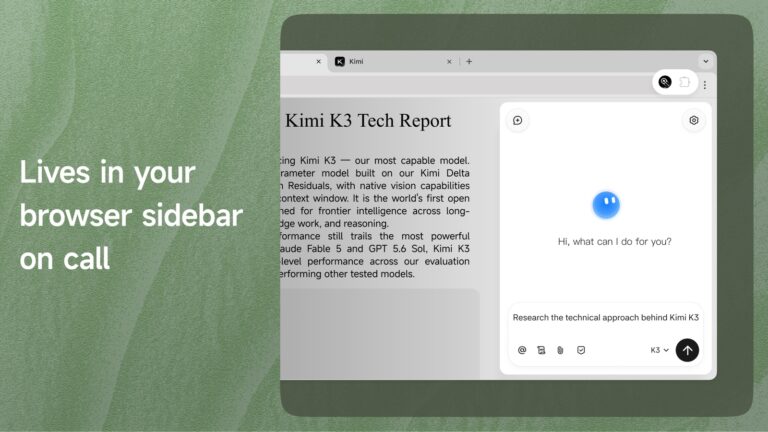
Moonshot AI has officially launched the Kimi Browser Extension in Chrome, delivering local CDP-driven co-browsing and a breakthrough ‘Skill’ distillation engine without cloud VM security risks.
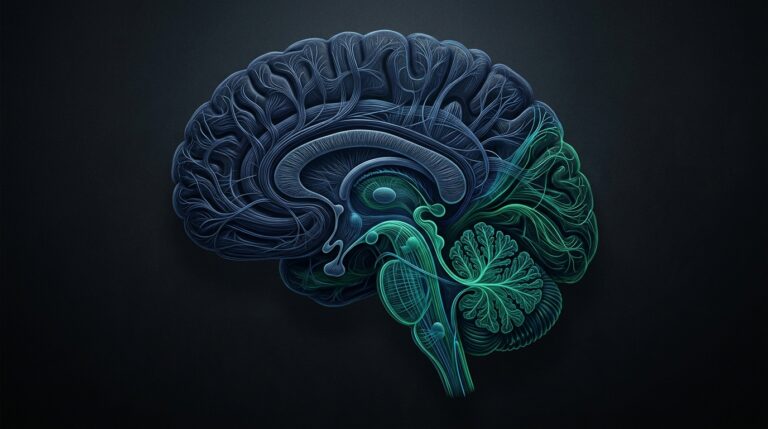
Stanford researchers discovered the brain is two distinct, fused organs. The finding explains decades of biological failure and why monolithic AI struggles with physical agency.