Technical benchmark audit of DeepSWE v1.1 by Aditi Sharma. Debunking git reflog leaks and test tampering, while exposing how 166-turn Test-Time Compute subsidizes 74% Pass@1 rates.
Technical benchmark audit of DeepSWE v1.1 by Aditi Sharma. Debunking git reflog leaks and test tampering, while exposing how 166-turn Test-Time Compute subsidizes 74% Pass@1 rates.

Within eight days in early September 2026, DeepSeek-V4.1-Flash and Gemini 3.8 Flash toppled previous-generation $90/M-token flagship models on DeepSWE v1.1. Here is the forensic engineering breakdown: 890-byte KV cache, CED topology, RLVR benchmaxxing, and real-world agent TCO.
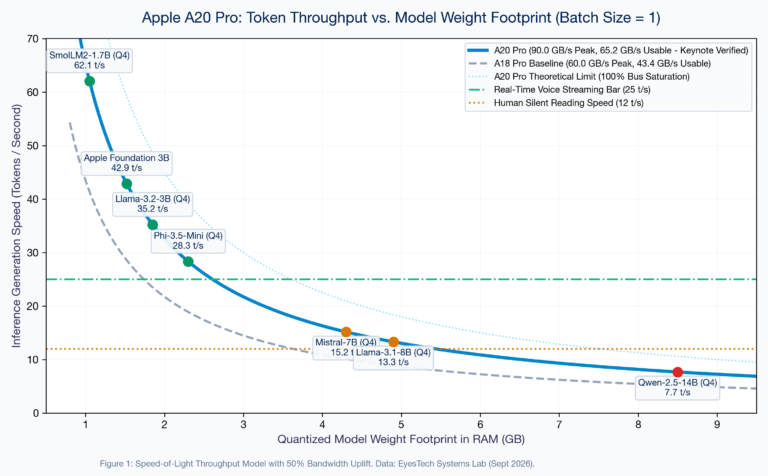
An architectural teardown of Apple’s A20 Pro 2nm GAAFET silicon: testing the 32-core Neural Engine, 65.2 GB/s memory bandwidth wall, copper vapor chamber thermals, and iOS Jetsam limits running 3B to 7B LLMs on-device.
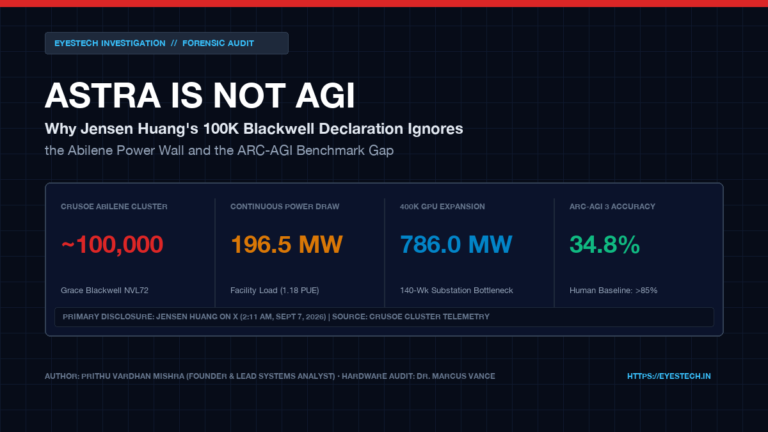
Nvidia CEO Jensen Huang declared that ‘AGI has arrived’ with GPT-6 Astra trained on ~100K+ Grace Blackwell NVL72 in Abilene, Texas. Here is why the claim falls apart under ARC-AGI 3 benchmark audits and the 786 MW substation power wall confronting the 400K GPU expansion.

Why running autonomous coding agents on GPT-6 Astra leads to 19-minute execution freezes, and how leaked alpha benchmarks of GPT-6 Sol running 6.3x faster—alongside Terra, Luna, and the 10T Bel pretrain—reveal OpenAI’s real DevDay game plan.
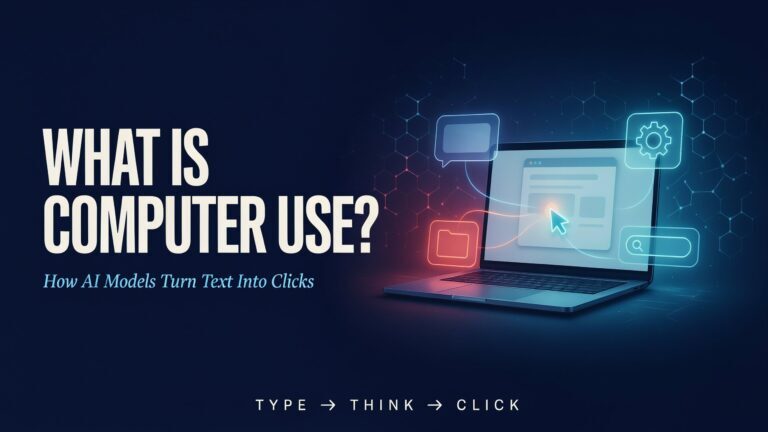
Computer use lets an AI agent operate a browser or desktop. Here is the action loop that turns model output into clicks, keystrokes, screenshots, and verified results.

GPT-6 Astra is a major agentic AI milestone, but its benchmark, harness, cost and self-improvement evidence does not yet prove OpenAI’s own definition of AGI.

GPT-6 Astra reached 99.95% on ARC-AGI-3 with OpenAI’s Provider Adapter harness. The Standard harness result was 62.71%. Here is what the difference means.

Muse Spark 1.3 scores 62 on Artificial Analysis. Compare Gemini 3.8 Flash, DeepSeek V4 Flash pricing, and Terminal-Bench 2.1 vs 4.0.
Gemini 3.8 Flash is now generally available. Here are Google’s official benchmark results, pricing, API limits, effort controls, and the Antigravity rollout—with the caveats builders should know.