
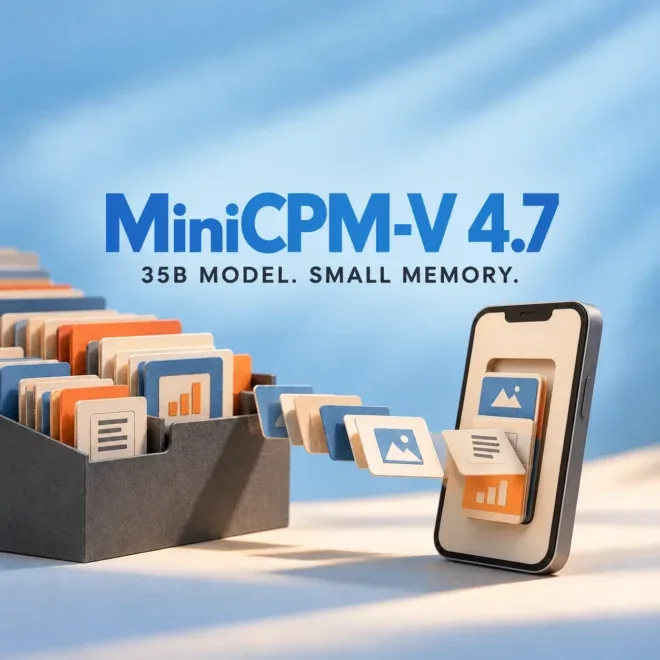
MiniCPM-V 4.7 Tested: System Requirements, VRAM & Local Setup Guide

MiniCPM-V 4.7 reports 13+ tokens/s in 3GB phone memory. Expert loading, quantization and speculation explain why that is not its total weight size.
Independent analysis, benchmarks, and field intelligence on AI models, chips, computing, and defence systems.
MiniCPM-V 4.7 reports 13+ tokens/s in 3GB phone memory. Expert loading, quantization and speculation explain why that is not its total weight size.

Muse Wonder costs $4/$20 per million input/output tokens. Full requires a Muse Code plan; max reasoning changes effort, not the model you access.
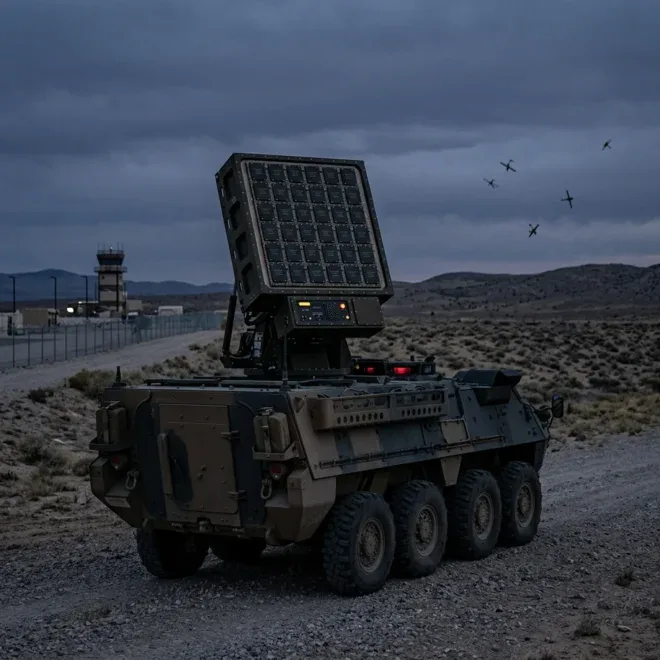
Solid-state GaN HPM arrays disable dozens of drones in microseconds, bypassing 3-5s laser dwell limits and frying unshielded PCB traces at 15-30V surges.
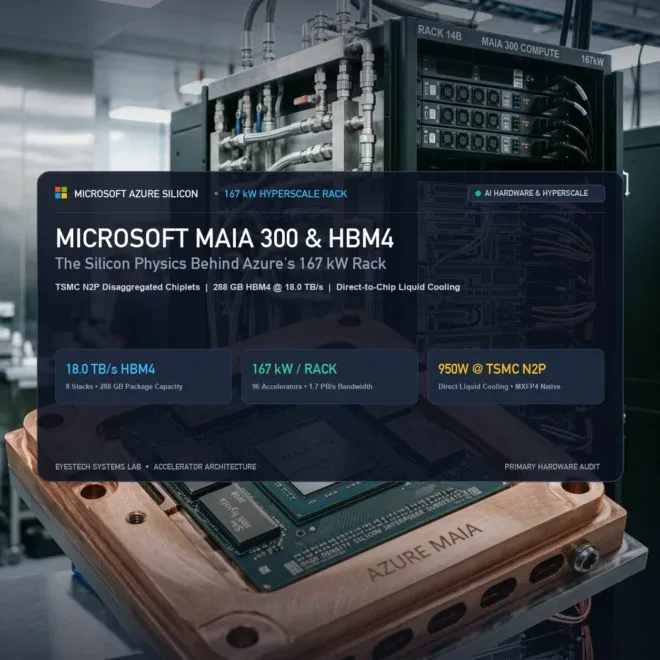
Microsoft Maia 300 pairs 288GB HBM4 at 18 TB/s on TSMC N2P across 96-chip 167 kW racks, bypassing Nvidia memory walls via direct-to-chip liquid cooling.
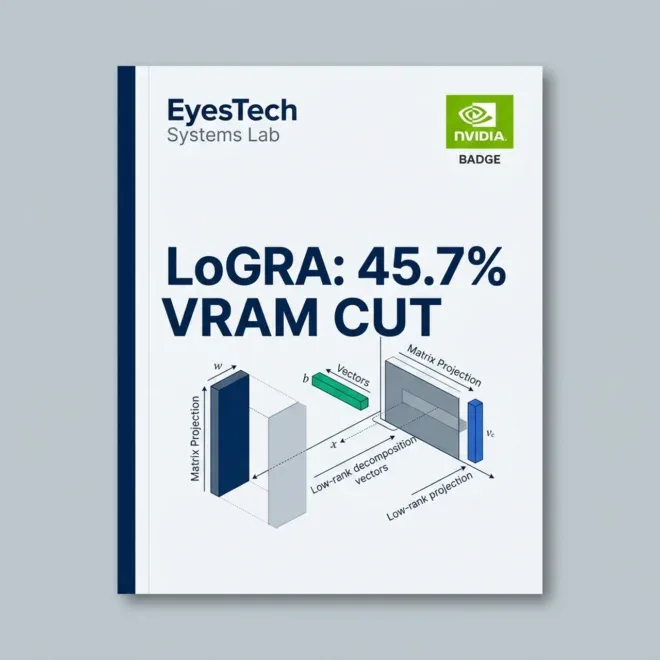
NVIDIA Research’s Low-Rank Gradient Sketches (LoGRA) algorithm reduces reinforcement learning optimizer VRAM consumption by 45.7% on 7-billion-parameter models and 21.8%…

Frontier artificial intelligence has crossed an empirical threshold where raw web-scale token ingestion no longer yields qualitative capability jumps. At…

Iris-3B generates pixels without a VAE. Its released depth and restoration results show no clear advantage; a 4B text encoder also changes local costs.
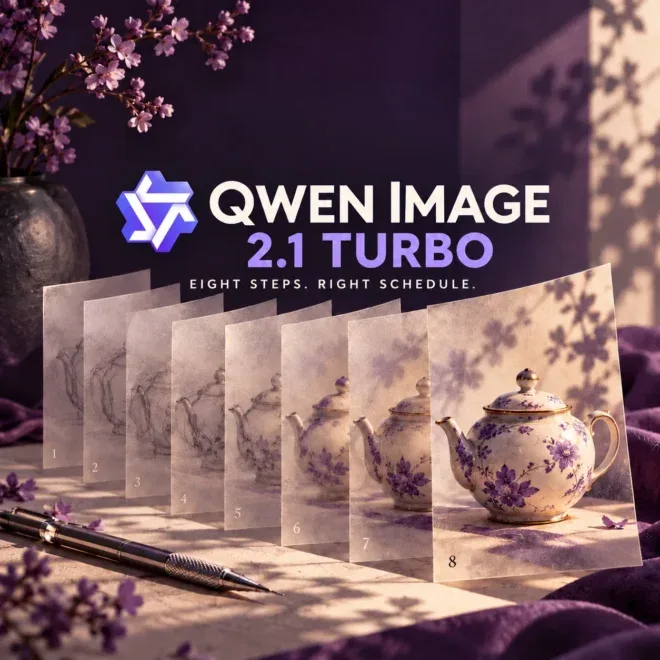
Qwen Image 2.1 Turbo uses a saved eight-step schedule and CFG 1. Local setup needs current Diffusers; commercial use needs a separate license.
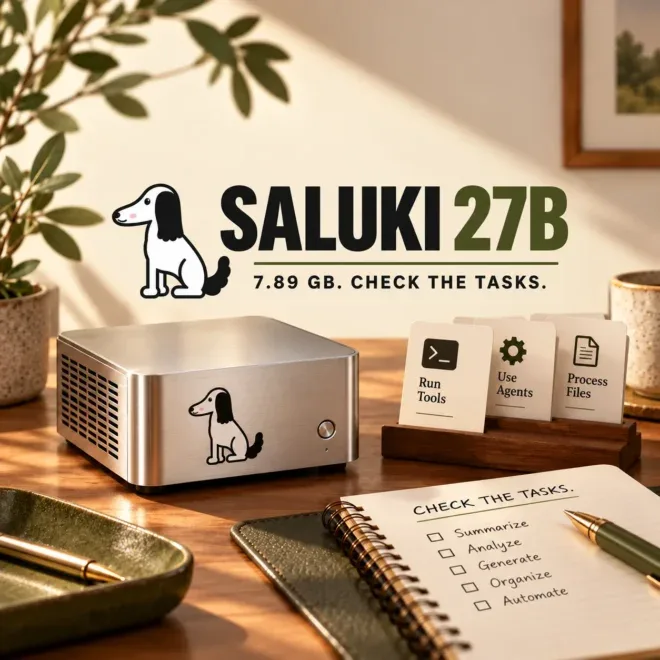
Saluki packs Qwen3.8-27B into 7.89GB. Its 88/120 tool score hides lost and gained tasks, parser sensitivity and memory costs beyond the model file.
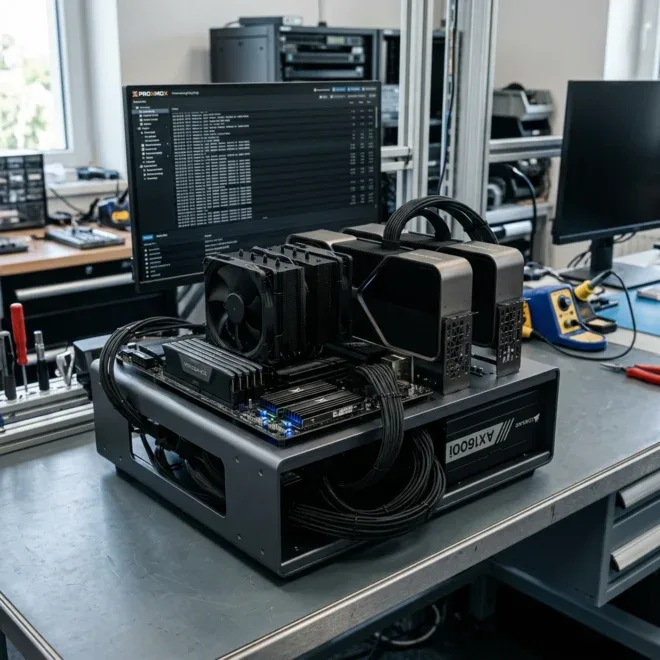
Strata runs 125B Qwen3.8-Flash-Next on 12GB VRAM at 45 tok/s using predictive expert prefetching and io_uring. Here is the PCIe math and setup.